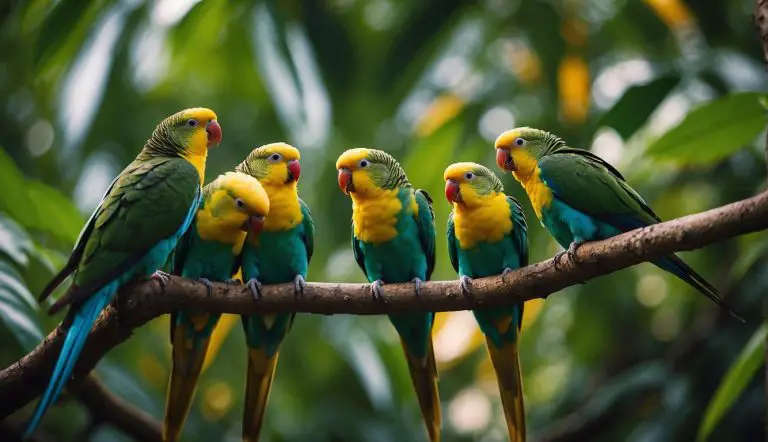
Best Toys for African Grey Parrots: Keeping Your Pet Happy and Engaged
African grey parrots are intelligent and curious birds that require mental stimulation to stay healthy and happy. One of the best ways to provide this stimulation is through toys.
Toys for African grey parrots come in a variety of shapes, sizes, and materials, and choosing the right one can make a big difference in your bird’s quality of life.

When selecting toys for your African grey parrot, it’s essential to consider the materials used in their construction. Avoid toys made from plastic or other materials that could be harmful if ingested.
Go for toys made from natural and untreated materials like wood, bamboo, and rope. These materials are not only safe but also provide a more engaging sensory experience for your bird.
Another crucial factor to consider when selecting toys for your African grey parrot is their size and complexity.
Birds enjoy toys that challenge their problem-solving skills and provide a sense of accomplishment when they solve them.
But it’s also essential to select toys that are appropriately sized for your bird to prevent injury or frustration.
We spent some time researching and testing various toys to identify the best options for African grey parrots.
In this article, we’ll share our top picks and provide tips on how to select the best toys for your feathered friend.
Best Toys for African Grey Parrots
As bird owners, we know how important it is to keep our feathered friends entertained and mentally stimulated. African Grey Parrots, in particular, are known for their high intelligence and need for mental stimulation. That’s why we’ve put together a list of the best toys for African Grey Parrots to keep them happy and healthy. From puzzle toys to chew toys, we’ve got you covered with our top picks. Let’s dive in!
1. Cokliomc Parrot Toys

If you’re looking for a toy that will keep your African Grey Parrot entertained for hours, the Cokliomc Parrot Toys are a great option. They’re made of natural materials and are designed to be safe and fun for your feathered friend.
Pros
- The bright colors and unique design of these toys make them very attractive to parrots, and they’ll be sure to spend hours playing with them.
- These toys are made of natural materials, so you don’t have to worry about your parrot ingesting any harmful chemicals or toxins.
- The Cokliomc Parrot Toys are easy to install and can be fixed to the top or side of your pet’s cage, making them a great addition to any bird cage.
Cons
- Some parrots may chew through these toys relatively quickly, so you may need to replace them more frequently than other toys.
- The movable non-slip hooks may not be strong enough to hold up to the weight of larger birds, so you may need to reinforce them with additional hooks or attachments.
- While these toys are suitable for a variety of bird species, they may not be the best option for very small birds or birds with more delicate beaks.
They’re made of natural materials and are designed to be both stimulating and durable, so you can be sure your parrot will love playing with them for a long time.
Overall, we would definitely recommend these toys to any AGP owner looking for a high-quality, safe, and fun toy for their feathered friend.
MEWTOGO Extra Large Bird Parrot Toy

If you’re looking for a colorful and attractive toy for your African Grey parrot, the MEWTOGO Extra Large Bird Parrot Toy is a great choice. It’s a fun toy that will keep your bird entertained and provide beak care at the same time.
Pros
- The toy is extra large, making it perfect for Macaws, Amazon, African grey cockatoos, and other large parrots.
- The hardware part of the toy is made of a high-quality chain that can withstand long-time chewing.
- The bright and vivid colors make it a beautiful decor to hang into the cage or wall at home but also visually stimulating for your bird.
Cons
- Some birds may take a day or two to get used to the toy being in their cage.
- The toy may not last as long as expected if your bird is an aggressive chewer.
The MEWTOGO has a stylish and attractive design that will catch your bird’s eye immediately. The toy is great for chewing and preening, which will help your bird kill time and provide beak care.
The hardware part of the toy is made of a high-quality chain that is strong enough to last long-time chewing span. The bright and vivid colors of the toy make it a beautiful decor to hang into the cage or wall at home.
However, some birds may take a day or two to get used to the toy being in their cage, and not all birds may be interested in the toy, as every bird has their own preferences.
The MEWTOGO Extra Large Bird Parrot Toy is a great toy that will keep your bird entertained while providing dental care. Click here to purchase it on Amazon.
Rypet Large and Small Parrot Chewing Toys

If you’re looking for a fun and colorful toy for your African grey parrot, the Rypet Large and Small Parrot Chewing Toy is a great option.
Pros
- The variety of wood and cotton knots keeps our parrot entertained for hours.
- The bright colors of the toy easily attract our parrot’s attention.
- The toy is safe for our parrot to chew on and has helped to keep his beak trimmed.
Cons
- Some of the wooden blocks are dyed, which we don’t love, but our parrot still enjoys the toy.
- The toy may not be as durable as some other options on the market, but it still lasts a good amount of time.
- The size of the toy may not be suitable for larger parrots, but it’s perfect for our African grey.
The Rypet Large and Small Parrot Chewing Toys have become a staple in our parrot’s cage. The variety of wood and cotton knots keeps them entertained for hours, and the bright colors of the toy easily attract his attention.
We love that the toy is safe for our parrot to chew on and has helped to keep his beak trimmed. While some of the wooden blocks are dyed, which we don’t love, our parrot still enjoys the toy.
Additionally, while the toy may not be as durable as some other options on the market, it still lasts a good amount of time. The size of the toy may not be suitable for larger parrots, but it’s perfect for our African grey.
We highly recommend the Rypet Large and Small Parrot Chewing Toy to anyone looking for a fun and safe toy for their feathered friend.
Deloky Bird Block Knots Tearing Toy

This toy is made of natural wood and food-grade colors, making it safe for your pet to chew on for hours on end.
Pros
- The toy is made of 100% natural wood and dyed with edible pigments, making it safe for your pet to play with and chew on without any harm.
- The large size of the toy (19.7″ x 5.6″) makes it perfect for not only African Grey parrots, but also for other birds like Finch, Budgie, Parakeets, Cockatiels, Conures, and Love Birds.
- The toy is handmade and durable, which means it can last for a long time and withstand your pet’s constant chewing and playing.
Cons
- If you have a large macaw, they may destroy the toy quickly, but this is normal behavior for these birds and they need to do it to keep their beaks healthy and strong.
- Some birds may be frightened by the toy at first, but they will get used to it over time and enjoy playing with it daily.
- The price may be slightly higher than some other bird toys on the market, but the quality and durability of the Deloky Bird Block Knots Tearing Toy make it worth the investment.
The Deloky Bird Block Knots Tearing Toy is a great investment for any bird owner looking to keep their African Grey parrot entertained and engaged. The toy is easy to install and the strong chain and cotton rope make it easy to hang from your bird’s cage. We have personally used this toy with our own African Grey parrot and have seen firsthand how much they enjoy playing with it for hours on end. The toy is also very colorful and attractive to birds, making it easy to catch their attention and keep them entertained for long periods of time. Overall, we highly recommend the Deloky Bird Block Knots Tearing Toy for any bird owner looking for a durable and entertaining toy for their pet.
Deloky Large Parrot Bird Chewing Toys

We highly recommend the Deloky Large Parrot Bird Chewing Toys for African grey parrots and other large birds as it provides a great way to keep your bird entertained and reduce aggression and loneliness.
Pros
- The toy is made of safe natural materials like nuts, walnuts, corn cob, camphor wood blocks, woven corn blocks, cotton rope, and food coloring, which are processed into various shapes that attract birds’ attention.
- The multi-layer design encourages parrots to climb and explore, promotes physical and emotional activities, and reduces aggression and loneliness.
- The toy is easy to install with removable hooks that can be fixed on the top of the pet cage without assembly.
Cons
- The toy may not last very long for some birds, especially those that like to bite and tear a lot.
- Some birds may lose interest in the toy after a while, so you may need to rotate it with other toys to keep your bird engaged.
- The toy may not be suitable for smaller birds as it is designed for larger birds like African grey parrots and macaws.
We have used the Deloky Large Parrot Bird Chewing Toys for our African grey parrot and found it to be a great way to keep him entertained and reduce his aggression and loneliness. He loves to climb and explore the multi-layer design, and the colorful wooden beads always catch his attention. The toy is also easy to install, so we didn’t have to spend a lot of time setting it up.
However, we did notice that the toy didn’t last very long for our bird, as he likes to bite and tear a lot. We also had to rotate it with other toys to keep him engaged, as he lost interest in it after a while. Additionally, we wouldn’t recommend this toy for smaller birds, as it is designed for larger birds like African grey parrots and macaws.
Overall, we think the Deloky Large Parrot Bird Chewing Toys is a great investment for anyone looking to keep their large birds entertained and reduce their aggression and loneliness. It’s made of safe natural materials, promotes physical and emotional activities, and is easy to install. Plus, if you’re not satisfied for any reason, you can always return it for a refund of your purchase price.
EBaokuup Large Bird Parrot Toys

We highly recommend purchasing the EBaokuup Large Bird Parrot Toys for your African Grey parrot. It is a great way to keep your parrot entertained and engaged, while also providing a safe and stimulating environment.
Pros
- The multicoloured design of the toy is very attractive and can easily grab your parrot’s attention in a short amount of time.
- The large size of the toy makes it suitable for African grey cockatoos, macaws, large and medium birds, providing an ideal elevated place for your birds to chew and climb.
- The toy is made of natural wood, coconut shell and rattan balls, totally hand-made, non-toxic and safe for your pets to play.
Cons
- Some birds may dismantle the toy within a short amount of time, which can make it a hard sell for some pet owners.
- The toy may not be suitable for smaller birds or those that are not as active, as it is designed for larger and more active birds.
- The price of the toy may be a little steep for some pet owners, especially if they have multiple birds to entertain.
We have personally used the EBaokuup Large Bird Parrot Toys for our African Grey parrot and have found it to be a great way to keep our bird entertained and engaged. The toy is easy to install, simply connect the steel active hook to the top of your pet cage, and the hook and cotton rope are strong enough to last long-time hanging without falling apart. The toy is also very safe for your pet to play with, as it is made of natural materials that are non-toxic and safe for your pet to chew on.
The EBaokuup Large Bird Parrot Toys is a great investment for any pet owner looking to provide their African Grey parrot with a stimulating and engaging environment. It is a great way to keep your pet entertained and engaged, while also providing a safe and stimulating environment. We highly recommend this product to any pet owner looking for a great way to keep their pet entertained and engaged.
Yoyoung Stainless Steel Bell Toy for Birds

If you want a durable, mess-free, and fun toy for your African Grey parrot, the Yoyoung Stainless Steel Bell Toy for Birds is a great choice.
Pros
- The toy comes in two sizes, making it suitable for both smaller birds like parakeets and larger birds like African Greys.
- Made of high-quality stainless steel, the toy is durable and safe for your bird to play with.
- The bell noise is subtle enough not to be annoying, but still enjoyable for your bird to play with.
Cons
- The toy may be a bit heavy for smaller birds to play with.
- Some birds may lose interest in the toy after a while.
- The quick links may not be as secure as some other types of attachments.
We’ve been using this toy for a few weeks now, and our African Grey parrot seems to really enjoy it. He loves the sound of the bell and spends hours playing with it. The stainless steel material makes it easy to clean and ensures that it will last a long time. The only downside is that the toy is a bit heavy for smaller birds, so it may not be the best choice if you have a parakeet or other small bird.
Overall, we highly recommend the Yoyoung Stainless Steel Bell Toy for Birds to anyone looking for a durable and fun toy for their African Grey parrot.
Buying Guide
When looking for the best toys for African Grey Parrots, there are a few things to keep in mind to ensure you choose the right product for your feathered friend.
Materials
One of the most important things to consider is the materials used in the toy. Look for toys made with bird-safe materials such as untreated wood, natural fibers, and non-toxic dyes.
Avoid toys made with materials that could be harmful to your bird, such as lead, zinc, or toxic paints.
Size and Shape
It’s important to choose toys that are the right size and shape for your African Grey Parrot. Toys that are too small can be a choking hazard, while toys that are too large may be difficult for your bird to manipulate.
Look for toys that are appropriately sized for your bird and that have a variety of shapes and textures to keep them engaged.
Enrichment
Choose toys that provide your African Grey Parrot with enrichment and mental stimulation. Toys that encourage foraging, problem-solving, and physical activity are great options.
Look for toys with bells, mirrors, or other interactive features that will keep your bird entertained and engaged.
| Feature | What to Look For |
|---|---|
| Materials | Bird-safe materials such as untreated wood, natural fibers, and non-toxic dyes |
| Size and Shape | Appropriately sized toys with a variety of shapes and textures |
| Enrichment | Toys that encourage foraging, problem-solving, and physical activity |
By keeping these factors in mind, you can choose the best toys for your African Grey Parrot that will keep them happy, healthy, and entertained for hours on end.
Recommended For You



Author Profile

-
I’m Bianca James, the voice behind ThisBirdTalks.com, a blog dedicated to the magical world of talking birds.
I’ve had a lifelong passion for our feathered friends, I’ve spent countless hours researching, interacting and living with these remarkable creatures.
My love for talking birds has inspired me to create this space where I share my knowledge, experience, and heartwarming stories with you.
Latest entries
 CockatooMarch 17, 2024Why Is My Cockatoo Shaking? Understanding Your Bird’s Behavior
 Beginners GuidesMarch 17, 2024Why Does My Cockatoo Scream? Understanding Your Bird’s Vocal Behavior
 CockatooMarch 17, 2024Why Are Cockatoos So Loud? Unraveling the Mystery of Their Raucous Calls
 Beginners GuidesMarch 17, 2024Why Does My Bird Make Noises When Sleeping? Understanding Avian Nighttime Chatter